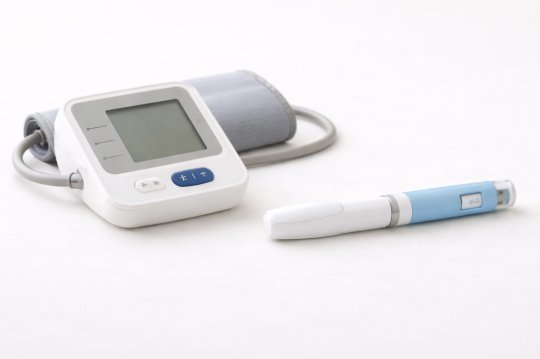
All prescription medications, including those used in structured medical weight management, may affect individuals differently. Understanding medication monitoring and side effects helps patients approach treatment with confidence rather than concern.
Most side effects, when they occur, are mild and temporary. The purpose of medical supervision is not to create alarm, but to ensure that treatment remains aligned with your individual health profile.
Why Side Effects Are Individual
No two bodies respond exactly the same way to medication. Genetics, metabolism, lifestyle factors, and existing medical conditions can all influence how someone experiences therapy.
For example, two individuals taking the same medication under licensed provider supervision may report different levels of:
- Appetite changes
- Digestive adjustment
- Energy fluctuations
- Mild temporary discomfort
This variability is normal. It is one reason why medication monitoring and side effects are discussed before treatment begins. Setting realistic expectations helps patients feel informed and prepared.
The Role of Medical Supervision
Medical supervision weight loss programs and other prescription therapies are structured to include ongoing provider oversight. Monitoring allows clinicians to evaluate tolerance, adjust plans when necessary, and ensure treatment continues to fit the patient’s health goals.
A licensed provider may recommend:
- Gradual dose adjustments
- Routine check-ins
- Laboratory testing when appropriate
- Review of any new symptoms
This approach supports proactive care. Monitoring does not mean problems are expected. It means care is individualized.
Common Types of Mild Side Effects
In many prescription therapies, especially those affecting metabolism or appetite pathways, early side effects may include temporary digestive adjustments or mild changes in routine patterns.
These experiences often improve as the body adapts. Results vary by individual, and communication with a provider helps determine whether what you are experiencing falls within expected adjustment patterns.
When to Contact a Healthcare Provider
Although most side effects are mild, certain symptoms should always be discussed promptly with a licensed healthcare professional.
You should seek medical guidance if you experience:
- Persistent or worsening symptoms
- Unexpected reactions
- Signs of allergic response
- Symptoms that interfere with daily functioning
Prompt communication allows providers to assess whether treatment adjustments are needed. Individual medical evaluation is required whenever new or concerning symptoms arise.
Why Monitoring Builds Confidence
Understanding medication monitoring and side effects is part of informed healthcare. Structured follow-up appointments provide space to ask questions, review progress, and refine treatment when appropriate.
Monitoring does not imply risk. It reflects responsible medical practice. Patients often feel more comfortable knowing that their treatment plan includes professional oversight rather than guesswork.
A Balanced Perspective
Prescription therapies can play an important role within medical weight management and other treatment programs. At the same time, no medication is entirely free of potential side effects.
The goal is balance: understanding possible reactions, staying in communication with your provider, and adjusting care when necessary. Under licensed provider supervision, most individuals navigate therapy smoothly with structured support.
All medical decisions should be made in consultation with a licensed healthcare provider.